Write-Up Produced By-Knight Hyllested
If you're thinking about vision modification, you could be weighing the benefits and drawbacks of PRK. This treatment provides unique benefits, particularly for those with one-of-a-kind eye problems. It's essential to understand just how PRK functions and what you can realistically get out of the outcomes. What if this option could lead to clearer vision without the dangers connected with various other techniques? Let's explore monovision LASIK and see if PRK is the best fit for you.
Understanding PRK: Just How It Functions and What to Anticipate
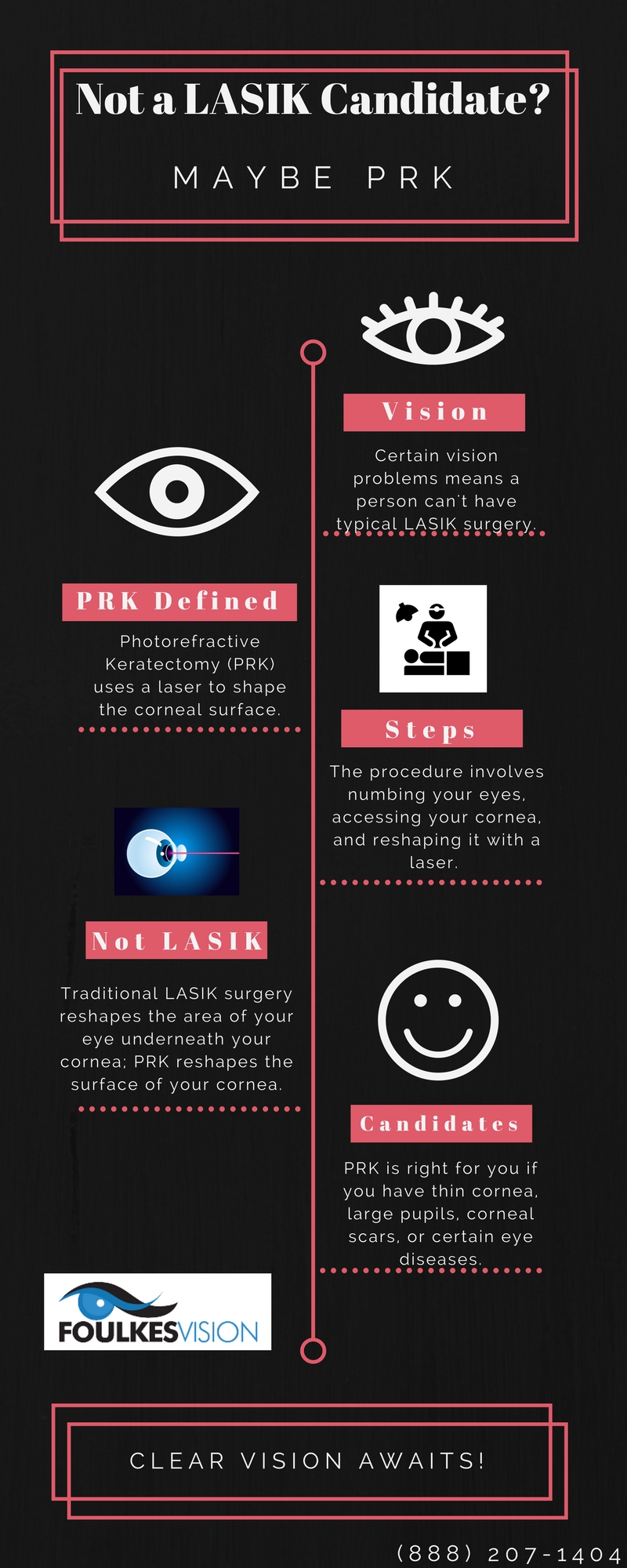
When you consider PRK (Photorefractive Keratectomy) as a vision adjustment alternative, it's essential to understand exactly how the treatment works and what you can expect throughout the procedure.
PRK reshapes your cornea making use of a laser to boost focus, similar to LASIK however without creating a flap. Initially, your doctor will certainly numb your eye and remove the outer layer of corneal cells, permitting the laser to do its job. You'll feel very little discomfort, and the treatment generally lasts around 10 mins per eye.
Later, you'll put on a safety contact lens while your eye heals. Anticipate some discomfort and blurry vision in the preliminary days, yet a lot of people discover substantial improvements within a week.
Following your doctor's aftercare directions is vital for ideal recovery.
Advantages of PRK: Why It May Be the Right Choice for You
If you're looking for a reputable vision adjustment option, PRK provides several engaging advantages that could make it the best selection for you.
One significant advantage is that PRK is perfect for those with thinner corneas, as it does not involve cutting a flap like LASIK. This indicates less risk of difficulties connected with flap-related concerns.
PRK additionally treats https://www.optometrytimes.com/view/new-data-in-anterior-segment-laser-surgery of vision issues, including higher degrees of nearsightedness and astigmatism.
You'll appreciate that the procedure has a tested record for safety and performance, with many individuals achieving 20/25 vision or far better.
And also, because PRK removes the outer layer of the cornea, it can lead to an extra secure long-term outcome, reducing the possibilities of regression.
Healing and Long-Term Outcomes: What to Prepare for After the Procedure
After thinking about the numerous advantages of PRK, it is necessary to recognize what recovery appears like and what you can anticipate in the long term.
Initially, your vision might be fuzzy, and you might experience discomfort or sensitivity to light. This typically improves within a couple of days. You'll require to prevent difficult tasks and use safety eyewear throughout the healing process.
In the weeks following the procedure, your vision will gradually maintain, frequently reaching its best clarity around 3 to six months post-surgery. Normal exams with your eye doctor will aid monitor your progression.
Many people enjoy durable results, with numerous accomplishing 20/25 vision or better. Remember that individual experiences might differ, but the majority of discover PRK worth the wait.
Verdict
In conclusion, PRK offers a reliable remedy for vision modification, especially if you have thinner corneas or higher nearsightedness. With its tried and tested safety and security and efficiency, numerous people attain remarkable results. While you'll experience some pain throughout recuperation, the long-lasting benefits and improved vision quality can make it a rewarding financial investment. If you're considering your choices, PRK could be the ideal option for you, paving the way for clearer view and a brighter future.